
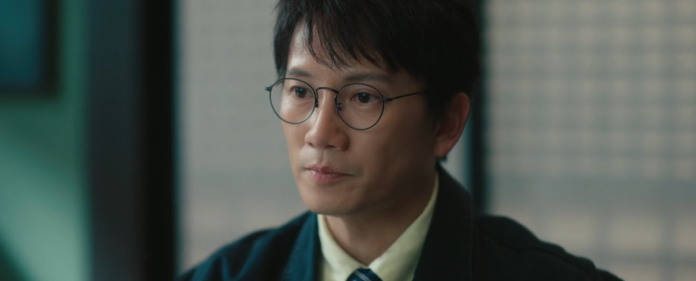



The Judge Returns Ending Explained: The series closes its final chapter with tension, reckoning and an unsettling reminder that justice is never as simple as a courtroom verdict. Over twelve episodes, the drama charts Han-Young’s relentless pursuit of truth inside a system rotting from within. What begins as a calculated mission to dismantle corruption slowly becomes something far more personal. By the finale, the stakes are no longer just political. They are moral, emotional and deeply human.
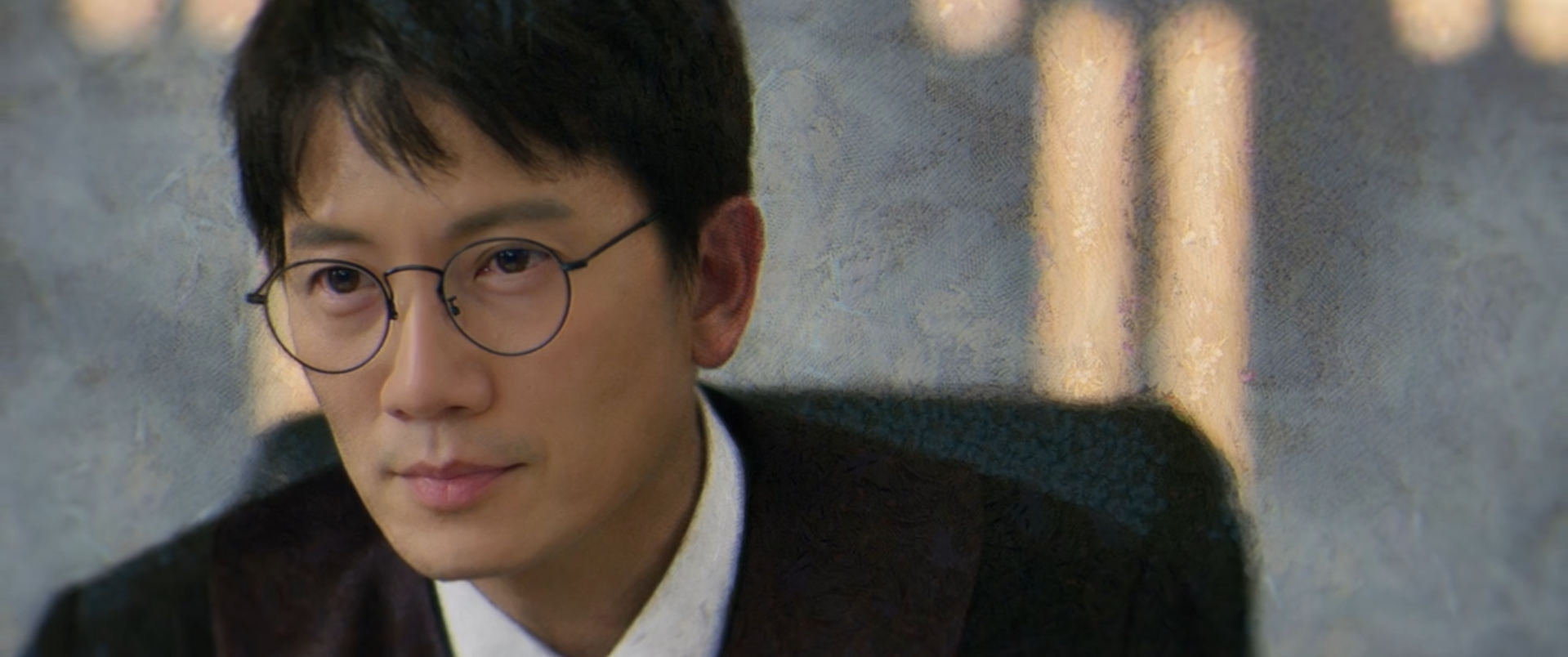
The Judge Returns Ending Explained
By the final stretch, Han-Young is no longer operating from a position of authority. He is on the run, framed and hunted, yet still determined to expose Sin Jin as the architect behind the web of corruption surrounding the Suojae committee. While the authorities close in on various conspirators thanks to recovered evidence, Sin Jin continues to manoeuvre with chilling confidence. He blackmails elite members, leverages slush funds and even claims he has dirt on the president elect. His power lies not in brute force but in secrets.
The turning point comes when Sin Jin’s carefully built structure begins to collapse. The death of Park Gwang-To and the discovery of hidden evidence linking Suojae members to numerous crimes trigger a chain reaction. Arrests follow. The illusion of untouchable authority finally fractures. Yet Sin Jin remains composed. Even when apprehended, he behaves as though he is still orchestrating events from behind the curtain.

Also read: Million-Follower Detective Ending Explained: Who is Baba the Witch? Is the Killer Caught?
The final trial becomes the emotional and thematic climax of the series. Sin Jin requests a live broadcast, a calculated move that reveals his true nature. He does not seek sympathy. He seeks an audience. In his defence, he argues that every crime he committed was a necessary sacrifice for the greater good. According to him, order required manipulation. Stability required blood. Corruption, in his view, was a tool rather than a flaw.
This is where the drama sharpens its moral blade. Han-Young rejects that reasoning outright. He counters that Sin Jin’s ideology would only lead to famine, inequality and endless cycles of crime. Where Sin Jin sees sacrifice, Han-Young sees exploitation. Where Sin Jin claims foresight, Han-Young sees arrogance. The clash between them is not just prosecutor versus criminal. It is justice versus control.
The court ultimately sentences Sin Jin to death. On the surface, justice is served. The mastermind is punished, the corrupt network dismantled and the truth laid bare before the public. But the series refuses to end on triumphant celebration.
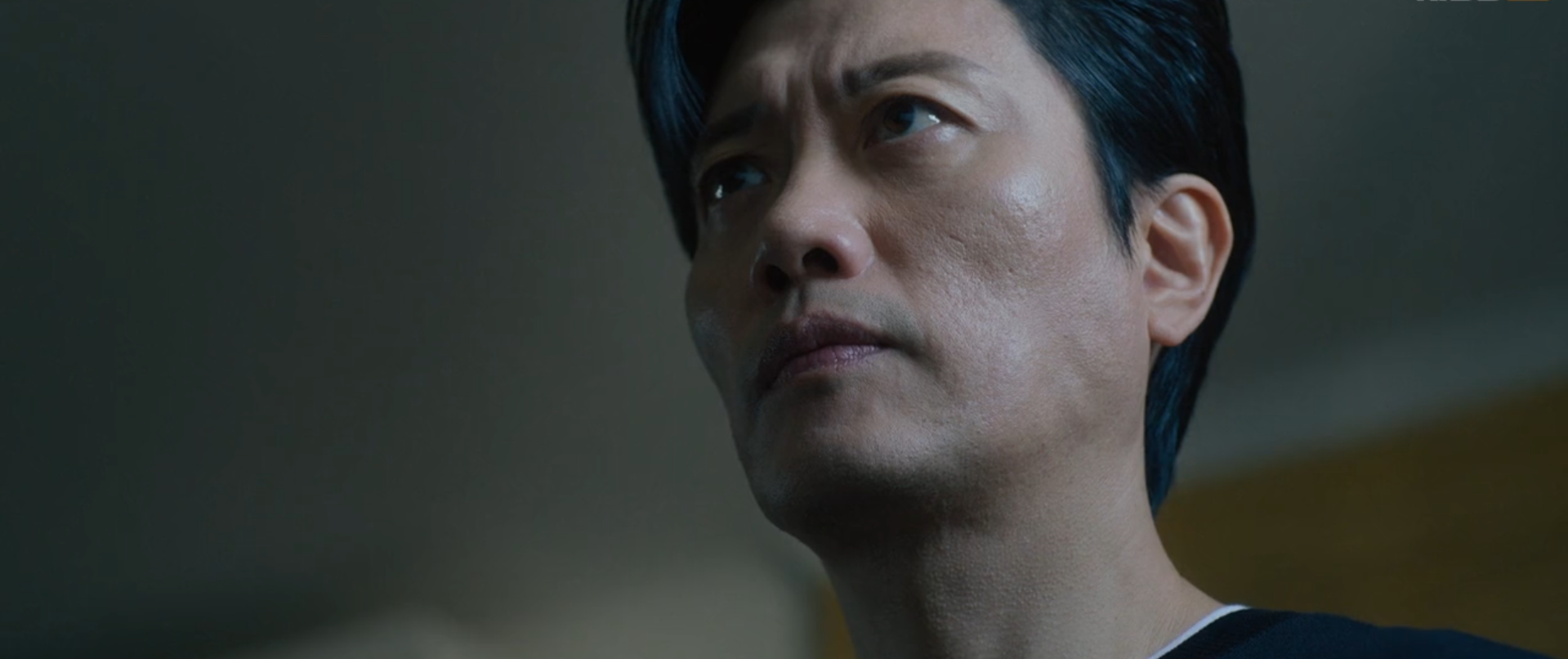
In the aftermath, we see the ripple effects of the ordeal. Jin-A opens up about her painful past and finds acceptance within Han-Young’s family. Se-Hee steps away from her father’s corporate expectations and begins studying law, choosing accountability over blind loyalty. Na-Yeon leaves her job to build something independent, signalling a break from compromised institutions. These quieter moments suggest healing and growth.
However, the final scenes complicate any sense of complete closure. Han-Young visits Sin Jin in prison, bringing dumplings from a familiar restaurant. The exchange is calm, almost disturbingly so. There is no rage left, only reflection. As Han-Young walks away, he questions whether this victory truly balances his own past sins. The drama subtly reminds us that he too once operated within morally grey boundaries.
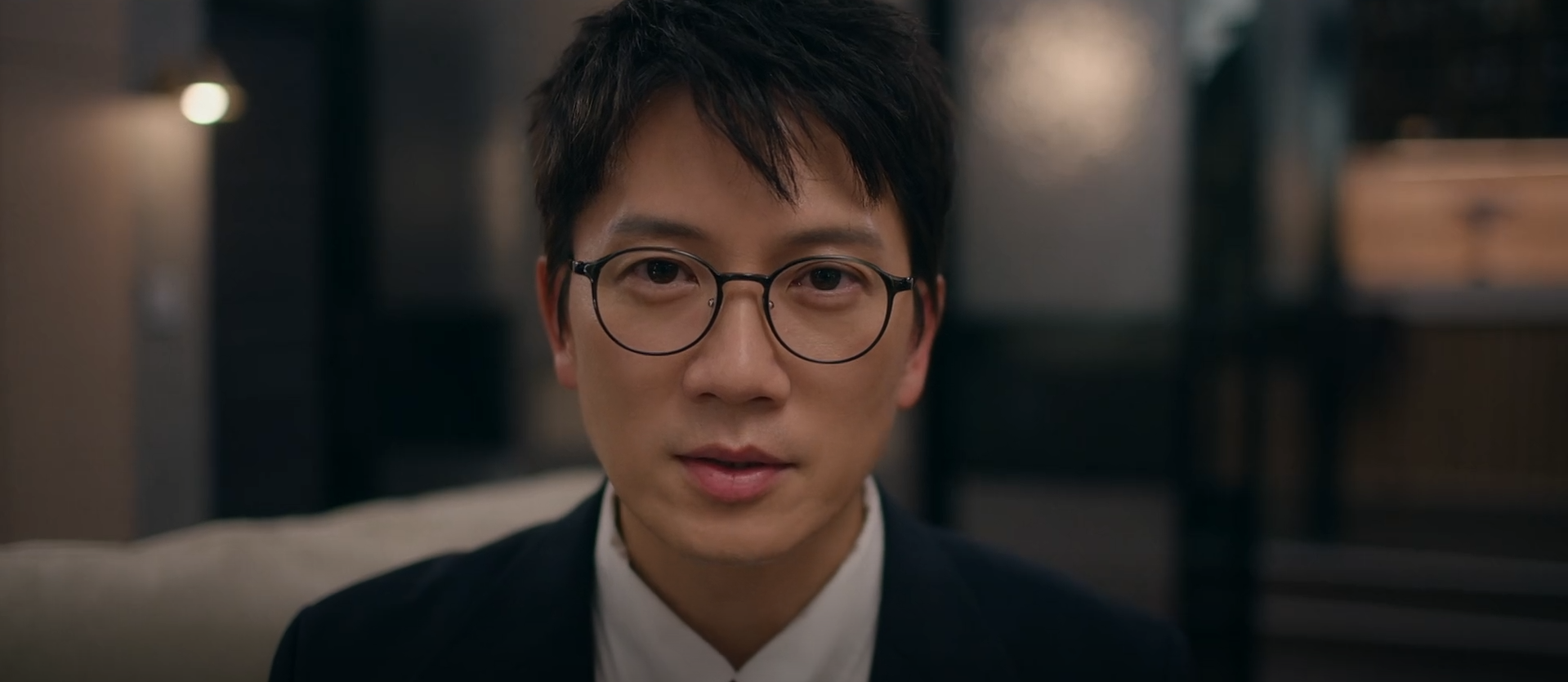
Then comes the final twist. In the prison yard, Sin Jin receives a secret phone while a new figure rises to lead Suojae. The message is clear. Removing one man does not dismantle an entire system. Power reshapes itself. Corruption mutates. The cycle continues.
The ending therefore suggests that justice is not a single event but an ongoing struggle. Sin Jin may be condemned, but the ideology he represented still lingers in the shadows of ambition and greed.
Final Thoughts
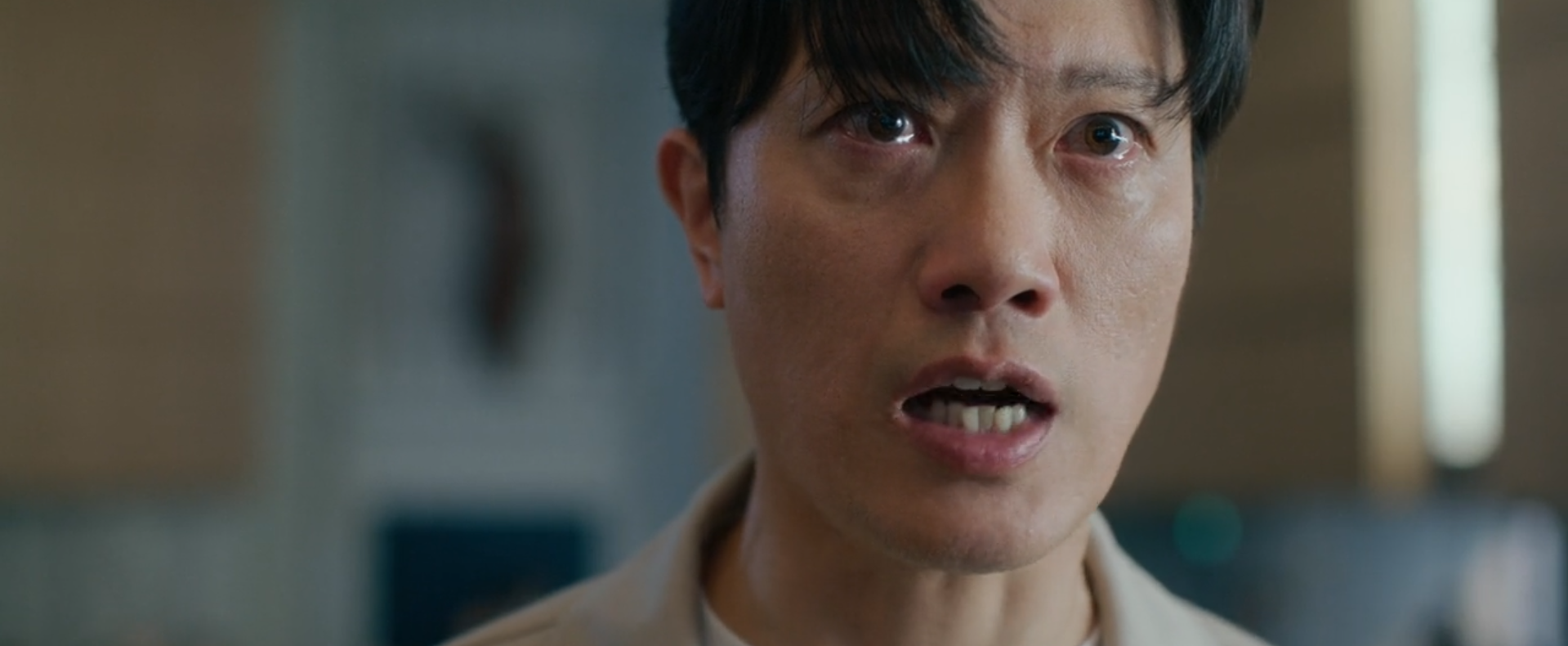
The Judge Returns concludes with a balance of satisfaction and realism. It gives viewers the catharsis of a villain facing consequences, yet it avoids the fantasy that evil disappears overnight. The series ultimately argues that justice requires constant vigilance. It is fragile, contested and easily manipulated by those who believe they know better than the law.
Han-Young’s journey ends not with celebration but with contemplation. He has exposed corruption and upheld the law, but he understands that the fight is far from over. In choosing integrity over power, he redefines what it means to return as a judge. Not as someone who controls the system, but as someone willing to challenge it.

The final image leaves us with cautious hope. Institutions may falter, individuals may betray, and power may corrupt. Yet as long as there are people willing to stand against it, the possibility of justice remains alive.
Also read: The Judge Returns Season 1 Review